
Seller Strategy
What Your Home Is Really Worth (And Why Zestimates Miss)
July 9, 2026 — Kristen Boano
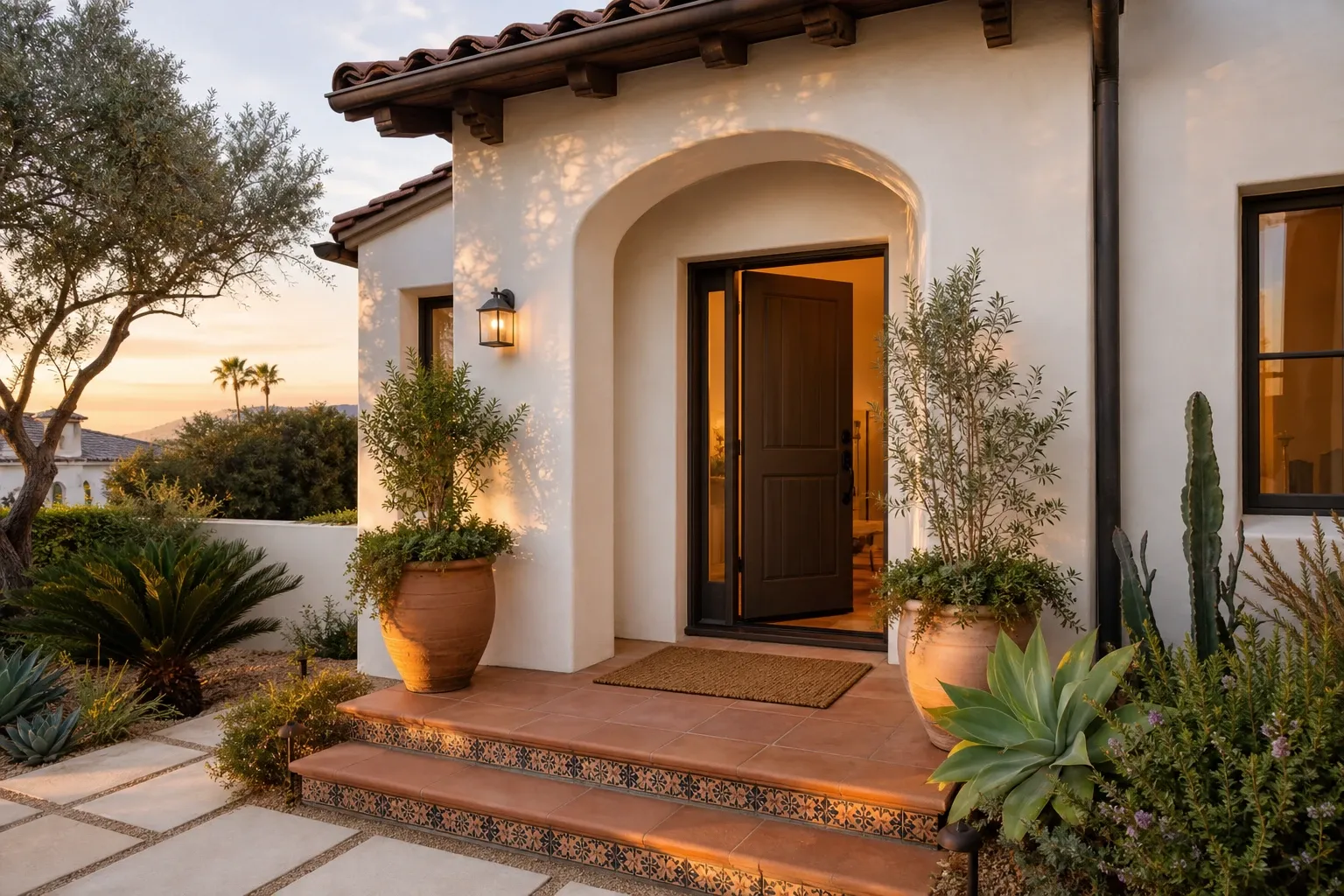
Every homeowner has typed their address into a portal and watched a number appear. It feels authoritative. It is, in reality, a statistical guess built from tax records and past sales — and in a market as varied as ours, that guess can miss by tens of thousands of dollars.
What the algorithm cannot see
Automated models do not know that your kitchen was redone two years ago, that the house behind you backs to open space instead of a busy road, or that your street floods with buyers every spring because of the school boundary. They cannot smell new paint or notice that the neighbor’s comparable sale included a $40,000 seller credit.
In Temecula and Murrieta, where two homes with identical square footage can differ by a hundred thousand dollars based on community, lot position, and condition, those blind spots are not rounding errors. They are the whole negotiation.
How a real valuation gets built
Comparable sales, chosen carefully. Not “three houses within a mile,” but homes that a buyer would genuinely have considered instead of yours — same community, same era, same condition tier, sold recently enough to reflect today’s demand.
Adjustments, honestly applied. A comparable with a pool and yours without means an adjustment. So does an extra bedroom, a three-car garage, or a fully paid solar system.
Current competition. What is actively listed against you matters as much as what sold. Three similar homes sitting unsold on your street changes your pricing strategy immediately.
Condition, seen in person. The difference between “well maintained” and “needs everything” is often twenty percent, and no algorithm has walked through your front door.
What sellers should do with the number
A valuation is not a listing price — it is the starting point for a strategy. The real questions come next: what should you fix and what should you leave alone, how should the home be presented before the first photo, and where should you price so that the first fourteen days generate competition rather than silence.
Those first two weeks decide your outcome. A home priced correctly attracts multiple interested buyers while it is new and interesting. A home priced on hope sits, goes stale, and eventually sells for less than the correct price would have brought.
If you want the real number for your home — and the plan that goes with it — that is exactly what a complimentary valuation is for.
Want this working for you?
Every market is local and every situation is unique. Let's look at your full picture — home and financing together.
Plan Your Move